
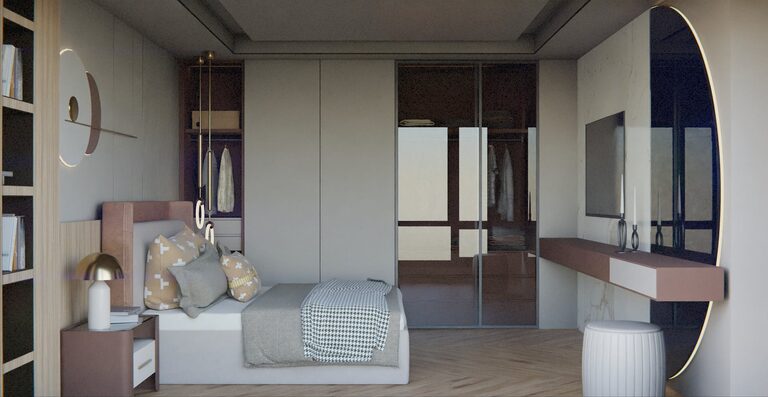
Creating a quiet and peaceful home environment is important for relaxation, focus, and overall well-being. Whether you live in a busy neighborhood, an apartment building, or a lively household, noise can sometimes disrupt your comfort. The good news is that there are simple and effective ways to reduce noise at home without major renovations.
In this blog post, we’ll explore practical methods to minimize unwanted sounds, helping you enjoy a calmer and quieter living space.
Understanding Noise Sources in Your Home
Before diving into solutions, it’s helpful to identify common sources of noise around your home. Knowing what’s causing the disturbance can guide you toward the best approach to tackle it.
– Outdoor noise: Traffic, construction, neighbors, pets.
– Interior noise: Appliances, electronics, footsteps, conversations.
– Structural noise: Sounds traveling through walls, floors, or ceilings.
– Echo and reverberation: Sounds bouncing off hard surfaces inside rooms.
With these categories in mind, you can pick solutions tailored to your specific situation.
Simple Ways to Reduce Noise from Outside
1. Use Heavy Curtains or Drapes
Thick curtains made from dense fabrics can act as sound absorbers. They help block noise from outside streets and reduce echoes inside the room. Consider curtains labeled as “soundproof” or layered with blackout material for extra effectiveness.
2. Seal Windows and Doors
Gaps around windows and doors are common pathways for noise to enter your home. Use weatherstripping or door sweeps to seal these cracks tightly. Caulking can also fill in gaps around window frames.
3. Add Window Inserts or Double Glazing
Extra window layers make a big difference in noise reduction. Window inserts are removable panels that fit inside your existing window frame. Double-glazed windows have two panes separated by air or gas, offering better sound insulation.
Reducing Noise Inside Your Home
1. Use Rugs and Carpets
Hard floors reflect sound, making rooms louder. Adding rugs or carpets softens footsteps and absorbs sound waves. Large area rugs, especially with thick padding underneath, work well in living rooms and hallways.
2. Arrange Furniture Strategically
Bookshelves, sofas, and wardrobes placed against walls can serve as sound barriers. Bookshelves filled with books are especially effective at absorbing sound. Avoid empty walls, which contribute to echo.
3. Install Acoustic Panels or Wall Hangings
Acoustic panels are designed to absorb sound and reduce echo. You can find decorative options or DIY solutions like fabric-covered boards. Tapestries, quilts, or canvas art can also help absorb noise in a visually appealing way.
4. Use Soft Furnishings and Textiles
Adding cushions, throws, and upholstered furniture creates more surfaces to absorb sound. These soft materials reduce echoes and soften the overall noise level in a room.
Minimizing Noise Between Rooms and Floors
1. Add Door Seals and Sweepers
Interior doors can allow sound to travel easily between rooms. Installing door seals and sweepers can create a tighter barrier that cuts down on noise passing through.
2. Use White Noise Machines or Fans
If you can’t completely block noise, consider masking it. White noise machines or fans create a consistent background hum that helps cover disruptive sounds.
3. Place Soundproof Underlayments Below Flooring
If noise from upstairs or downstairs is a problem, soundproof underlayments installed beneath flooring can reduce impact sounds. These materials cushion footsteps and decrease sound transmission between floors.
Routine Tips for Maintaining a Quiet Home
– Close windows and doors whenever possible to keep noise out.
– Keep appliances maintained to avoid loud or unexpected noises.
– Communicate with neighbors or household members about noise levels when necessary.
– Limit the volume of electronics such as TVs and music players.
– Use carpets and curtains seasonally or as needed to balance noise reduction and light.
When to Consider Professional Help
If noise remains a major issue, professional soundproofing may be the answer. Acoustic consultants can assess your home and suggest customized solutions. In some cases, adding insulation inside walls or installing specialty soundproof doors can make a big difference.
Conclusion
Reducing noise at home doesn’t require complicated or expensive measures. By adding simple sound-absorbing materials, sealing gaps, and strategically placing furniture, you can significantly improve your home’s quietness. A calm, noise-reduced environment contributes to better sleep, increased productivity, and greater relaxation.
Try these tips one step at a time to find what works best for your home. Soon, you’ll enjoy a peaceful haven free from unwanted noise distractions.